

Sikkim & Darjeeling
East Sikkim
South Sikkim
North Sikkim
West Sikkim
Trekking
Camping & Rafting
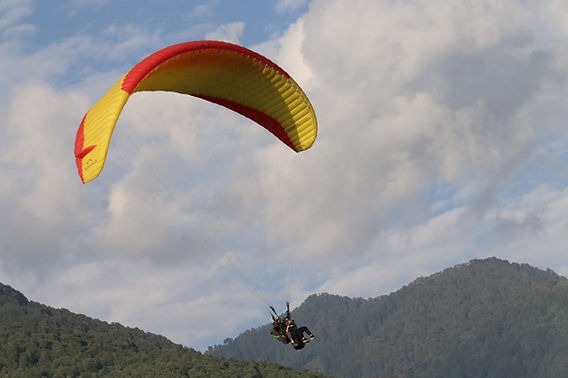
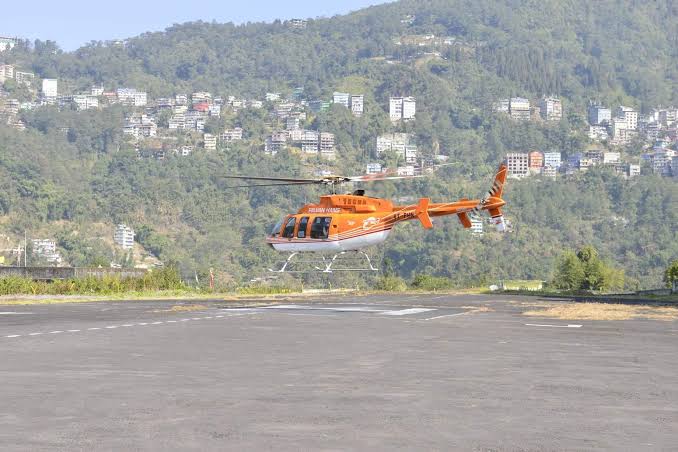
Paragliding
Helicopter Ride
Darjeeling
The Queen of Hills
Overview
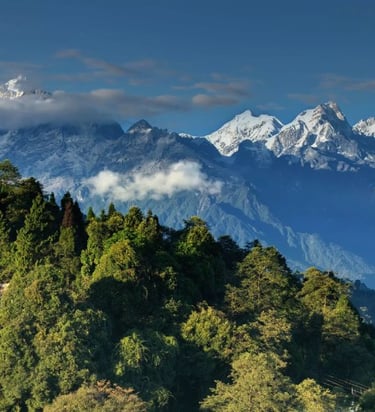
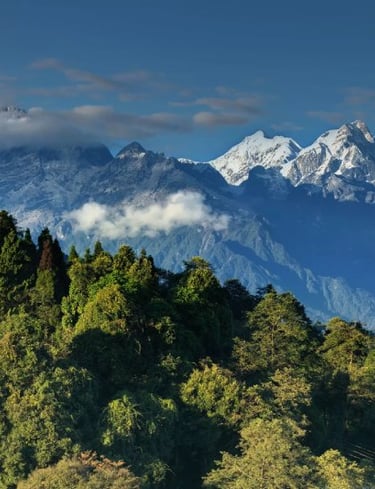
Perched gracefully on the foothills of the Eastern Himalayas, Darjeeling is more than just a hill station — it is an emotion woven with misty mornings, the scent of fresh tea leaves, and the faint whistle of the Darjeeling Himalayan Railway winding through emerald slopes. Known as the “Queen of the Hills,” this charming town sits at an altitude of around 6,710 feet, offering majestic views of the Kanchenjunga, the world’s third-highest mountain.Darjeeling’s timeless beauty lies in its colonial architecture, Buddhist monasteries, vibrant markets, sprawling tea estates, and warm-hearted mountain people. Whether you are a romantic soul, an adventure seeker, or a peace lover, Darjeeling welcomes you with its unique blend of nature, history, and culture.
History and Heritage
Darjeeling’s story is one of transformation — from a small Lepcha village to one of the most iconic hill stations in India. In the early 19th century, it was under the Kingdom of Sikkim before being leased to the British East India Company in 1835. Enchanted by its cool climate and scenic vistas, the British developed it as a sanatorium and summer retreat.They introduced tea cultivation, and soon Darjeeling Tea became the pride of India — a golden beverage that the world still cherishes today. The Darjeeling Himalayan Railway (DHR), built between 1879 and 1881, connected the hills to the plains and is now a UNESCO World Heritage Site, symbolizing the ingenuity of mountain railways.The town still retains that colonial charm — with old bungalows, British-era schools, and churches standing as witnesses to its fascinating past.
Culture and People
Darjeeling is a cultural tapestry woven from Nepali, Tibetan, Lepcha, Bhutia, and Bengali influences. The local people are known for their hospitality and ever-smiling faces. The mix of Buddhist monasteries and Hindu temples represents the peaceful coexistence of diverse communities.Festivals like Losar, Dasain, Tihar, and Buddha Jayanti bring color and energy to the hills. The folk dances, traditional attire, and local cuisine—from momos and thukpa to gundruk and sel roti—reflect the unique Himalayan identity of the region.
Major Attractions in Darjeeling
1. Tiger Hill
The crown jewel of Darjeeling sightseeing, Tiger Hill (8,482 ft) is renowned for its sunrise view over Mount Kanchenjunga and the Everest range. The sky turns shades of pink and gold as the first rays of sunlight kiss the snow peaks — a moment that leaves visitors spellbound.
Timing: Sunrise (around 4:30–5:00 AM)
Tip: Arrive early to secure a good viewing spot; clear mornings in winter offer the best visibility.
2. Batasia Loop and War Memorial
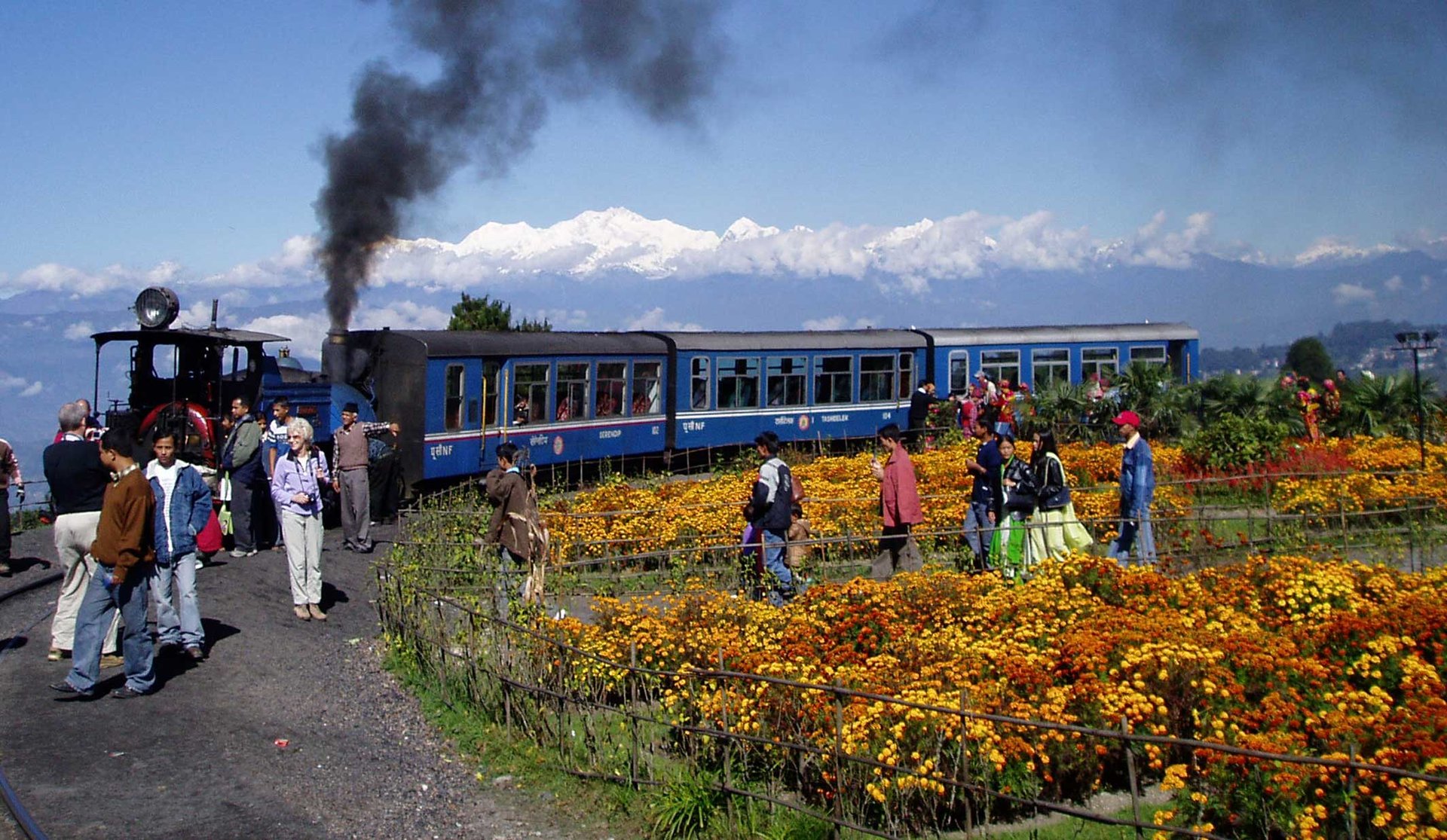
Located just below Ghum, this spiraling railway loop allows the Toy Train to make a 360° turn — an engineering marvel built by the British.At the center of the loop stands a War Memorial dedicated to the brave Gorkha soldiers who laid down their lives for the nation. The surrounding garden, colorful flowers, and panoramic views make it a must-visit.
3. Ghum Monastery (Yiga Choeling)
One of the oldest Tibetan Buddhist monasteries in Darjeeling, founded in 1850 by Lama Sherab Gyatso. It houses a magnificent 15-foot statue of Maitreya Buddha (the Future Buddha) and ancient manuscripts written in Pali. The calmness here is soul-soothing.
4. Darjeeling Himalayan Railway (Toy Train)
A living heritage, this narrow-gauge railway runs from New Jalpaiguri (NJP) to Darjeeling (88 km). The ride takes you through tea gardens, forested hills, and charming hamlets. The short Joy Ride between Darjeeling and Ghum is particularly popular among tourists.
UNESCO Heritage Site since 1999
Tip: Book tickets in advance through IRCTC for the Joy Ride
5. Padmaja Naidu Himalayan Zoological Park
India’s highest-altitude zoo, located at 7,000 ft, this park is renowned for breeding and conserving endangered Himalayan species like the Red Panda, Snow Leopard, Himalayan Wolf, and Siberian Tiger. It’s also home to the Himalayan Mountaineering Institute (HMI) founded by Tenzing Norgay.
6. Himalayan Mountaineering Institute (HMI)
Founded in 1954 after Tenzing Norgay’s Everest conquest, HMI is both a mountaineering school and a museum. The museum houses mountaineering gear used during historic expeditions, photographs, and a memorial for Tenzing himself.
8. Happy Valley Tea Estate
Established in 1854, it is one of the oldest tea estates in Darjeeling. Visitors can take guided tours of the tea factory, learn about tea processing, and sip freshly brewed authentic Darjeeling tea. The estate also provides excellent photo opportunities amid the tea-covered slopes.
9. Chowrasta & Mall Road
The heart of Darjeeling town — a lively promenade lined with shops, cafés, and curio stores. It’s the perfect place to relax, buy souvenirs, and enjoy a cup of tea with mountain views. Horse rides, local musicians, and bookshops add to the charm of Chowrasta.
10. Rock Garden & Ganga Maya Park
Situated 10 km from town, this terraced garden is adorned with waterfalls, flowerbeds, and bridges. Ganga Maya Park further below offers boating facilities and picnic spots — an excellent getaway for families.
11. St. Andrew’s Church
Built in 1843, this British-era church near Mall Road is a fine example of colonial architecture. Its stained-glass windows and serene atmosphere make it a quiet retreat from the town’s bustle.
12. Darjeeling Ropeway
The Rangeet Valley Passenger Cable Car offers breathtaking aerial views of tea gardens, forests, and the valley below. The ropeway connects Singamari to Tukvar, covering 5 km of scenic terrain.
Nearby Attractions
Mirik:A serene lakeside town located 50 km from Darjeeling, known for Sumendu Lake, orange orchards, and Bokar Monastery. Ideal for a short trip from Darjeeling.
Kurseong:A charming hill town en route to Siliguri, famous for tea estates like Makaibari, orchids, and the Dow Hill forest.
Lamahatta:A peaceful eco-village 23 km away, offering forest trails, homestays, and a tranquil lake surrounded by pine trees.
Lepchajagat:Located 19 km from Darjeeling, this hidden hamlet is perfect for birdwatching and serene Kanchenjunga views.
Adventure in Darjeeling
Darjeeling offers more than scenic beauty — it’s an emerging hub for adventure activities.
Popular Adventures:
Trekking: Sandakphu–Phalut Trek (highest point of West Bengal at 11,929 ft)
Mountain Biking: Trails through Senchal Wildlife Sanctuary
Rock Climbing: At Tenzing Rock and Gombu Rock
Paragliding: Near Jorebungalow and Tukvar
Local Cuisine
Darjeeling’s food scene is a reflection of its multicultural heritage.
Must-try dishes include:
Momos (dumplings)
Thukpa (noodle soup)
Sel Roti (sweet bread)
Phagshapa (pork with radish)
Aloo Dum with Churpi
Pair these with a hot cup of locally brewed tea or butter tea for a perfect Himalayan meal.
How to Reach
By Air: Nearest airport is Bagdogra (IXB) – 70 km (approx. 3 hours drive)
By Rail: New Jalpaiguri (NJP) – 88 km; connected to major Indian cities
By Road: Well-connected from Siliguri, Kalimpong, and Gangtok
Toy Train: From NJP or Kurseong to Darjeeling (scenic but slow journey)
Darjeeling isn’t just a destination — it’s a feeling that stays with you long after you’ve left its misty slopes. The rhythm of life here is slow yet full of energy, the air filled with the aroma of tea and pine. Standing on the Mall with a cup of steaming tea in your hands, watching clouds drift across the mountains, you’ll understand why generations of travelers have fallen in love with this enchanting hill town.
Darjeeling is where the soul of the Himalayas speaks — softly, yet forever.