
Gangtok — The Heart of Sikkim
Overview
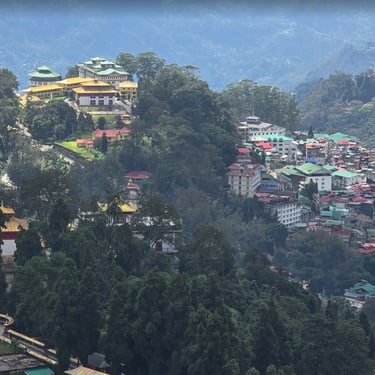
Perched at an altitude of about 5,410 ft (1,650 m), Gangtok is the vibrant capital of Sikkim and one of the cleanest hill stations in India. Overlooking the majestic Kanchenjunga, the world’s third-highest mountain, Gangtok combines natural beauty with rich culture and modern comforts.The name “Gangtok” means “hilltop” in the local Lepcha language, and it truly lives up to its name — offering panoramic views, winding roads, colorful monasteries, and friendly people.Once a small village, Gangtok rose to prominence as a Buddhist pilgrimage center after the construction of the Enchey Monastery in the 19th century. Today, it’s the main tourism and administrative hub of Sikkim, connecting all major regions of the state.
Major Attractions
MG Marg (Mahatma Gandhi Road):
The heart of Gangtok — a pedestrian-only boulevard lined with cafés, souvenir shops, and local eateries. Perfect for evening strolls and people-watching.
Tashi View Point:Offers spectacular sunrise views over the snow-capped Kanchenjunga range.
Enchey Monastery:Over 200 years old, this serene monastery is an important seat of Nyingma Buddhism and known for its ornate murals and spiritual festivals.
Namgyal Institute of Tibetology:A premier center for Buddhist studies and Tibetan culture, with rare manuscripts, icons, and artifacts.
Do Drul Chorten Stupa:Built in 1945, this white stupa is adorned with 108 prayer wheels and golden spires, attracting devotees and tourists alike.
Gangtok Ropeway:A thrilling 1 km cable car ride from Deorali to Tashiling offering panoramic views of the city and valley below.
Hanuman Tok & Ganesh Tok:Two famous hilltop temples dedicated to Lord Hanuman and Lord Ganesha respectively, both offering breathtaking views of the mountains.
Banjhakri Waterfall Park:A landscaped eco-garden built around a natural waterfall, showcasing Sikkimese shamanic traditions through sculptures and displays.
How to Reach
By Air:The nearest airport is Pakyong Airport (31 km), connected to Kolkata and Delhi. Alternatively, Bagdogra Airport (124 km) in West Bengal is the major gateway.
By Rail:The nearest railway station is New Jalpaiguri (NJP), about 120 km from Gangtok. From there, taxis and buses are available.
By Road:Well-connected by road to Siliguri, Kalimpong, and Darjeeling. The scenic NH-10 offers a picturesque drive along the Teesta River.


Nathula Pass — The Gateway to the Silk Route
Overview
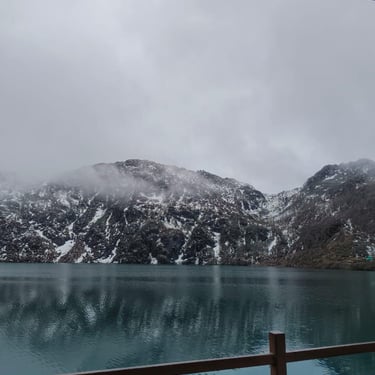
Perched at an altitude of 14,140 ft (4,310 m), Nathula Pass is one of the most spectacular and historically significant mountain passes in India. Situated about 56 km east of Gangtok, it connects Sikkim with Tibet’s Chumbi Valley and once served as a vital link in the ancient Silk Route, which facilitated trade between India and Tibet.Today, Nathula stands as a symbol of Indo-China friendship and offers travelers a rare opportunity to witness the Indo-Tibetan border, guarded by Indian Army personnel amidst dramatic Himalayan landscapes. Its rugged beauty, snow-covered terrain, and patriotic atmosphere make it a must-visit experience for anyone traveling to Sikkim.
Historical Background
The Nathula Pass was reopened in 2006 for limited trade between India and China, after being closed since the 1962 Sino-Indian war. Historically, it was one of the main trade corridors through which silk, wool, gold, and spices were transported.Today, only controlled border trade occurs between Indian traders from Sikkim and Chinese traders from Tibet, maintaining Nathula’s legacy as a historic route of cultural and economic exchange.
Major Attractions & Experiences
Indo-China Border Viewpoint:
The highlight of Nathula Pass is the chance to see the India-China border gate, marked by barbed wire fences and flags of both nations. You can even spot Chinese soldiers on the other side of the line, often waving or smiling at visitors — a rare, fascinating moment.
War Memorial:A small but moving memorial maintained by the Indian Army, paying tribute to the soldiers who served and sacrificed in the region.
Baba Harbhajan Singh Temple:
Located about 17 km below Nathula, this temple is dedicated to the late soldier Harbhajan Singh, who is believed to continue guarding the border even after his death. It’s both a religious and emotional site.
Snow Experience:
Nathula remains snow-covered for most of the year, making it one of the most popular destinations for snow enthusiasts. Snowfall is common from November to April, attracting visitors for snow play and photography.
Panoramic Himalayan Views:
On a clear day, visitors can enjoy jaw-dropping views of Mount Chomolhari (in Bhutan) and the Chumbi Valley of Tibet.



Rumtek Monastery – The Seat of Tibetan Buddhism in Sikkim
Overview
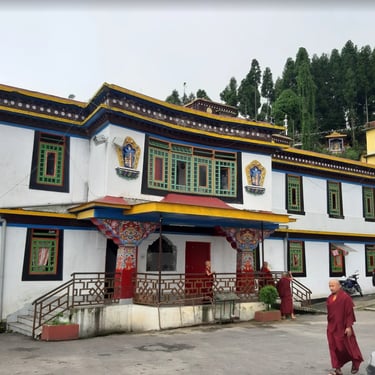
Nestled atop a serene hill about 23 km from Gangtok, Rumtek Monastery is not only one of Sikkim’s most important religious sites but also one of the largest and most magnificent monasteries in India. It is the seat of the Karmapa Lama, the head of the Kagyu (Black Hat) school of Tibetan Buddhism, which traces its origin to the 12th century.The monastery’s majestic structure, colorful murals, golden chortens, and peaceful aura attract both pilgrims and travelers seeking spiritual calm. Surrounded by lush green hills and overlooking the entire Gangtok valley, Rumtek offers a perfect blend of spirituality, culture, and Himalayan tranquility.
Historical Background
The original monastery, known as the Dharma Chakra Centre, was built in the 16th century by the 9th Karmapa Wangchuk Dorje. However, it fell into disrepair over time.The present-day structure was rebuilt in the 1960s under the guidance of the 16th Karmapa, Rangjung Rigpe Dorje, after he fled Tibet during the Chinese invasion.Rumtek became the official seat of the Karmapa in exile, and since then, it has been regarded as a spiritual and cultural symbol of Tibetan Buddhism in India.
Architectural Significance
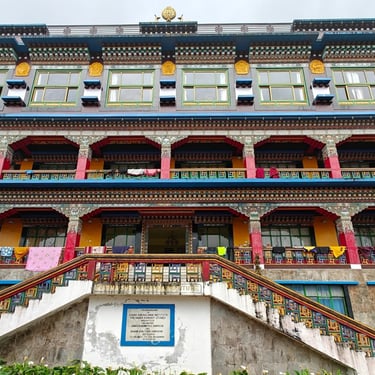
The monastery is a magnificent example of traditional Tibetan architecture. The main building is adorned with vibrant frescoes depicting Buddhist legends, intricate wood carvings, and golden domes that gleam under the mountain sun.Inside, the main prayer hall features:Massive statues of Buddha, Kagyu masters, and bodhisattvasIntricate thangkas (sacred paintings)Eight stupas symbolizing the different aspects of Buddha’s lifeA walk through the complex reveals a harmonious blend of art, spirituality, and architectural precision that speaks volumes of Sikkim’s Buddhist heritage.
Ganesh Tok – The Divine Viewpoint Above the Clouds
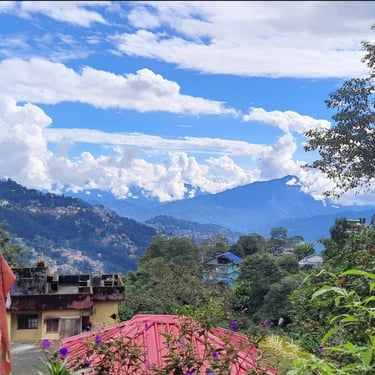
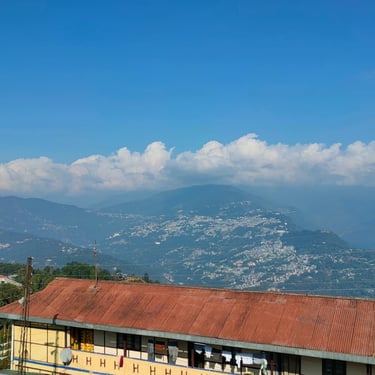
Perched at an altitude of around 6,500 feet, Ganesh Tok is one of the most serene and picturesque temples in Gangtok, dedicated to Lord Ganesha. Located just 7 km from the city center, it’s not only a spiritual site but also one of the best viewpoints in East Sikkim, offering sweeping panoramas of Gangtok town, the Kanchenjunga range, and the surrounding valleys.The temple is small but spiritually vibrant, and the entire area is surrounded by colorful prayer flags, flower gardens, and misty hills that create a tranquil atmosphere.Ganesh Tok is dedicated to Lord Ganesha, the remover of obstacles and the harbinger of good fortune. Locals and travelers alike visit to offer prayers before beginning a journey or a new endeavor. The temple’s peaceful energy and scenic setting make it ideal for quiet reflection and meditation.
Hanuman Tok – The Temple of Faith and the Best Panoramic View of Sikkim
Overview
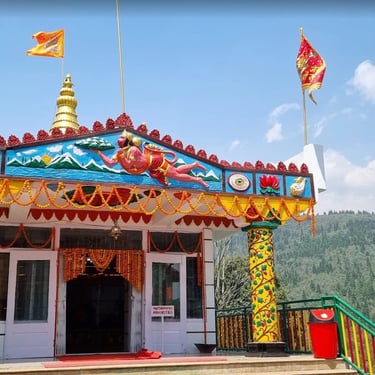
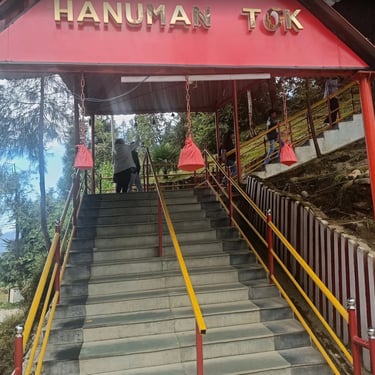
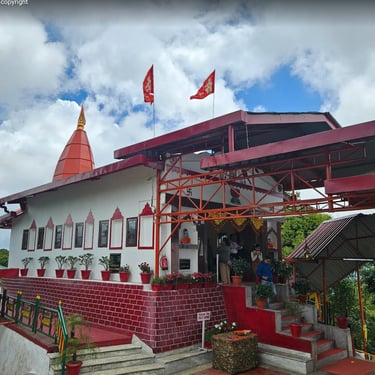
Just 11 km from Gangtok, Hanuman Tok is a sacred temple dedicated to Lord Hanuman, maintained by the Indian Army. Situated at an altitude of about 7,200 feet, it offers the most breathtaking panoramic views of the Kanchenjunga range and the entire Gangtok cityscape.It’s not just a temple — it’s a place of calm, discipline, and divinity. Visitors often describe Hanuman Tok as a “peace station in the sky.”According to local belief, Lord Hanuman rested at this spot while carrying the Sanjeevani herb to Lanka during the Ramayana era. Hence, the place is regarded as holy and powerful, symbolizing devotion, courage, and healing

Zuluk – The Hidden Himalayan Hamlet on the Old Silk Route
Overview
Perched at an altitude of around 10,000 feet (3,000 meters) in East Sikkim, Zuluk (also spelled Dzuluk) is a small, mesmerizing village nestled on the rugged slopes of the lower Himalayas. Once a vital transit point on the ancient Silk Route connecting Tibet and India, Zuluk today stands as a tranquil destination offering breathtaking mountain views, winding roads, and a taste of authentic Himalayan life.Far from the bustle of Gangtok and urban tourism, Zuluk’s charm lies in its raw natural beauty, untouched culture, and the famous zigzag road — a series of 32 hairpin bends that snake dramatically up the mountain.It’s an offbeat paradise for travelers seeking serenity, adventure, and the thrill of exploring the unexplored. Historical Significance Zuluk was once a crucial transit point for traders traveling along the Old Silk Route between Kalimpong in India and Tibet’s Chumbi Valley. Caravans carrying silk, gold, wool, and spices used to rest here before crossing the rugged Nathula Pass.Even today, traces of that historic trade connection survive in the local legends, Tibetan-style homes, and Buddhist stupas scattered around the area. Zuluk thus represents a living remnant of ancient trans-Himalayan commerce and cultural exchange.Scenic Beauty & Attractions
Zigzag Road (32 Hairpin Bends)The most iconic feature of Zuluk, this winding road offers one of the most photographed views in India. Seen from above, the serpentine road cutting through mountain slopes looks surreal — especially during sunrise, when the entire valley glows in golden light.From the upper bends, one can capture aerial views of Zuluk village, the green valleys, and the snow-capped peaks of Kanchenjunga in the distance.
Thambi View Point (11,200 ft)About 14 km from Zuluk, Thambi View Point offers a 360° panoramic view of the Eastern Himalayas. It’s one of the best places to watch the Kanchenjunga sunrise, where the snow peaks turn crimson and golden.During clear winter mornings, this viewpoint provides a breathtaking view of the entire zigzag road and the surrounding forests.

